The Ayurvedic Science Behind Matka & Dahi Handi — Why Clay Preserves the Purity of Food
From Matka to Dahi Handi — Why Clay Keeps Food Alive, Fresh & Full of Prana
Before the invention of refrigerators or metal cookware, India relied on a much simpler technology: earth.
Clay — mitti — has been used since the Indus Valley Civilization to store water, make curd, and cook food. This wasn’t just convenience; it was deeply rooted in Ayurveda.
Why Ayurveda Prefers Clay for Storing Water
Ayurvedic texts classify clay as sheetal (cooling) and pavitra (purifying). When water is stored in a matka:
-
It naturally cools without electricity
-
Its pH becomes more alkaline
-
Heavy impurities settle at the bottom
-
The taste becomes sweeter and smoother
This is why matka water is still recommended for balancing pitta dosha and improving digestion.
Dahi in Clay Pots: The Secret of Perfect Fermentation
When curd is set in a clay dahi handi, the porous surface absorbs excess moisture and maintains ideal temperature. This results in:
-
Thicker, creamier curd
-
Better probiotic quality
-
Naturally enhanced flavor
-
Longer shelf life
Ayurveda states that foods prepared in a natural environment — without metals or plastics — retain higher sattva (purity).
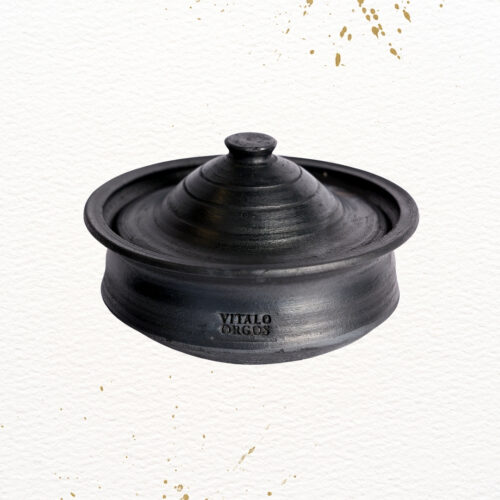
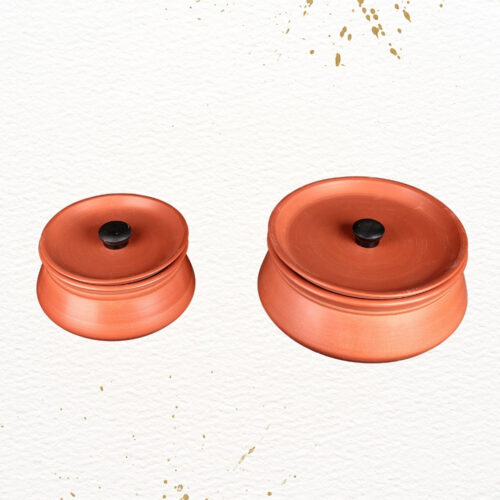
Vorgos Dahi Handi & Matka — Why They’re Special
-
Handcrafted with natural clay, ensuring microscopic pores ideal for fermentation
-
No glaze, no chemicals, no artificial color
-
Maintains ideal moisture balance
-
Designed by artisans with generations of expertise
Modern Health Benefits of Ancient Practices
Storing water in a terracotta matka can help:
-
Improve digestion
-
Support metabolism
-
Reduce acidity
-
Maintain body temperature
And setting curd in clay is still the healthiest method — recommended for children, seniors, and fitness-conscious individuals.
Rediscover the taste of purity with Vorgos’ handcrafted matkas and dahi handis — where ancient Ayurvedic wisdom meets modern healthy living.
About the author : dhyeyavita